Residents rarely stop to admire signage. They don’t comment on font choices or material finishes, and they almost never mention it in reviews when it works well. Yet signage is one of the most consistently used elements in any apartment community. From the day residents move in to the routines they follow years later, signage quietly shapes how a place feels to live in.
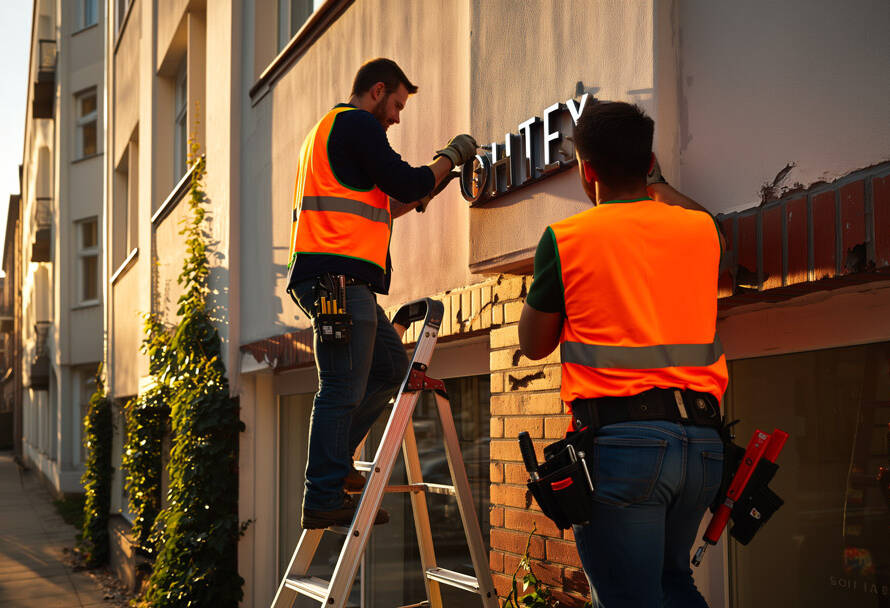
The first interaction often happens before a resident ever steps inside their unit. Clear building identification, visible entrances, and intuitive wayfinding reduce stress during move-in. Visitors and delivery drivers find their way without repeated phone calls. Residents don’t have to give detailed directions or apologize for confusion. When signage works, it removes friction from moments that would otherwise feel chaotic.
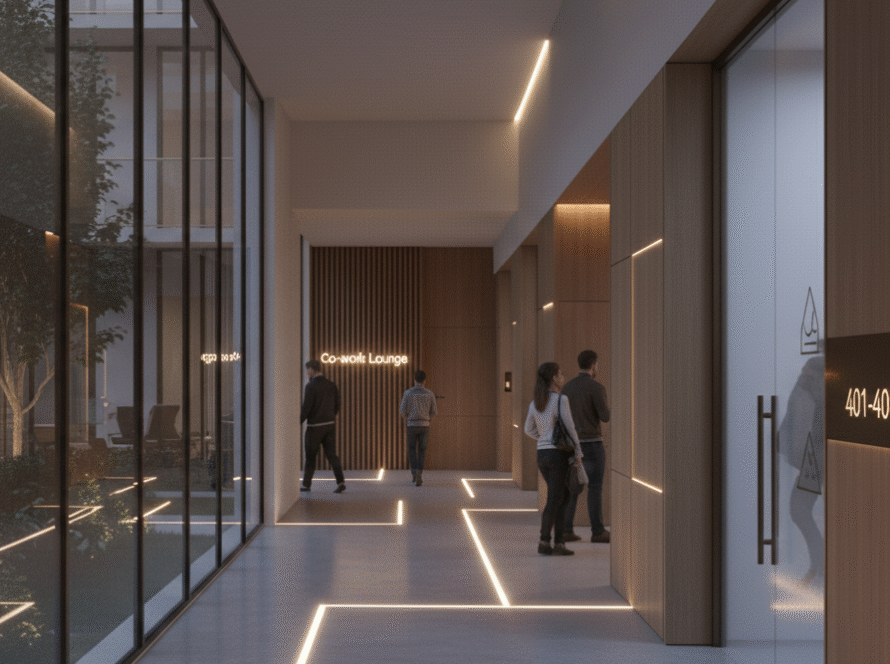
Over time, signage becomes part of muscle memory. Residents rely on it without thinking — unit numbers in hallways, floor indicators, amenity markers, stair and elevator identifiers. These elements create familiarity and confidence within the space. People move more comfortably when they know exactly where they are and where they are going.
When signage is inconsistent, unclear, or missing, the opposite happens. Residents hesitate. They double-check doors. They turn back to reorient themselves. Small interruptions like these seem insignificant, but they accumulate. The environment begins to feel less polished, less considered, even if the finishes themselves are high-end.
Accessibility is where resident interaction becomes deeply personal. For residents who rely on tactile and braille signage, clarity is not a luxury — it is essential. ADA signage allows individuals to navigate shared spaces independently, with dignity. When accessibility features are thoughtfully integrated rather than visually isolated, they benefit everyone and reinforce inclusivity as part of the community culture.
Aesthetic consistency also impacts how residents emotionally relate to their environment. Signage that aligns with the broader design language of the property creates continuity. It feels intentional, as if every detail belongs. This consistency reinforces a sense of care — a signal that the property is managed and maintained with attention.
Signage even influences how residents speak about where they live. When giving directions to guests, when guiding movers, or when helping lost visitors, residents repeat the logic of the signage system. Simple phrases like “follow the signs” or “it’s clearly marked” may seem casual, but they reflect a functional environment that supports daily life.
Importantly, signage continues working long after construction ends. Walls may be repainted and furniture updated, but signage endures. It bridges the transition from brand-new development to lived-in community. Durable materials, accurate installation, and timeless design ensure that signage remains legible and relevant as the property evolves.
At MAWBRA INC, signage is designed with this long-term interaction in mind. Every decision considers how residents will encounter signs repeatedly — in different lighting conditions, during busy moments, and across changing seasons. The goal isn’t to make signage noticeable, but to make life within the community feel easier.
The best signage fades into daily life because it does its job perfectly.
Residents may not notice it.
But they rely on it every day.