In multifamily construction, inspections and close-out are rarely about one final walkthrough. They are the result of hundreds of coordinated decisions made over months — sometimes years. When projects stumble at the finish line, it is rarely due to a single major failure. More often, it’s the accumulation of small oversights that surface all at once.
Signage is a frequent culprit in these moments.
Because signage is installed later in the construction sequence, it carries a disproportionate amount of risk during close-out. Deadlines are tight. Inspectors are thorough. Corrections are costly. When signage has not been planned, coordinated, and executed correctly, it can delay approvals, occupancy certificates, and handovers.
Inspection readiness begins early — even if the signs themselves are installed near the end.
One of the most common issues during inspections is ADA non-compliance. ADA signage requires exact adherence to standards governing tactile characters, braille placement, mounting heights, spacing, and contrast. These are not guidelines open to interpretation. An otherwise beautiful sign that misses a single requirement can result in a failed inspection and forced replacement.
When ADA signage is addressed late, errors are magnified. Walls may already be finished, blocking may not align with required mounting heights, or revisions may affect dozens of signs instead of a few. These situations are stressful, avoidable, and disruptive.
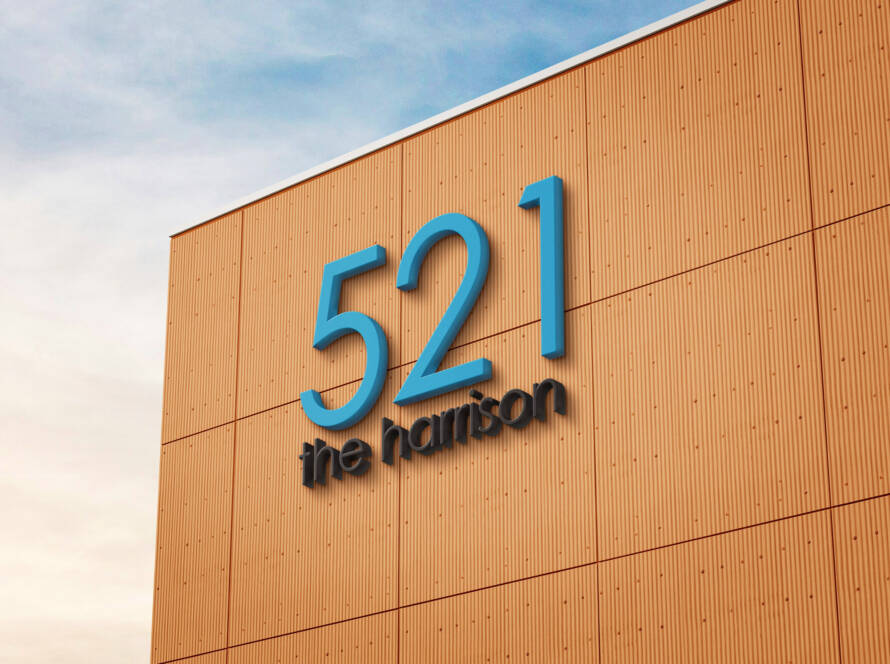
Exterior and building identification signage introduces another layer of complexity. City permitting requirements vary dramatically by jurisdiction, and inspectors expect signage to match approved drawings precisely. A size discrepancy, placement shift, or unpermitted element can trigger delays that ripple across the entire project schedule.
At close-out, even minor signage issues become major obstacles because there is no time buffer left.
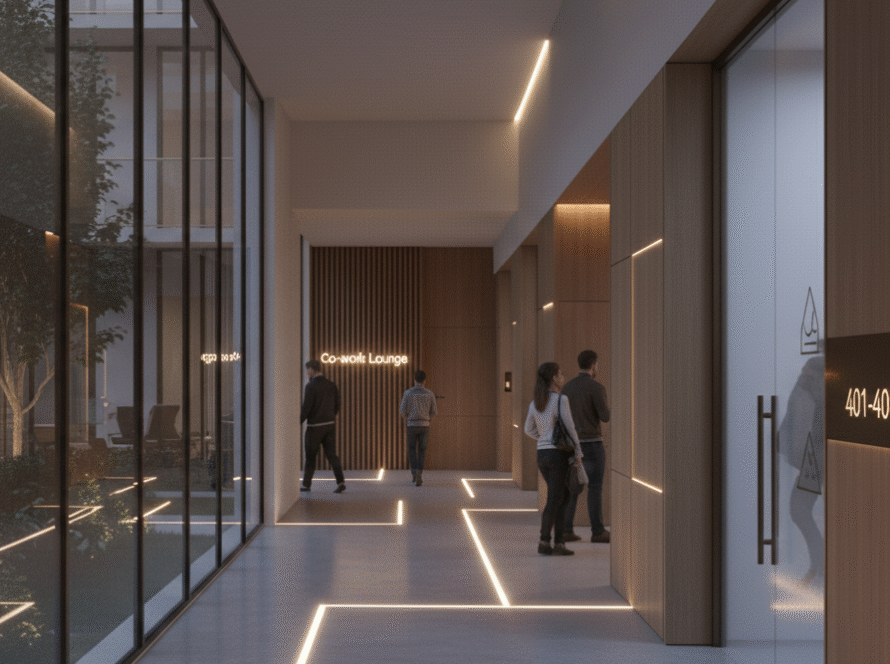
Beyond technical compliance, inspections evaluate clarity and consistency. Missing room identification, unclear directional signage, or inaccessible emergency signage creates red flags about operational readiness. Inspectors are not just evaluating signs — they are evaluating whether the building can function safely and intuitively for future occupants.
From a project management perspective, the biggest risk is fragmentation. When signage is designed by one party, fabricated by another, and installed without centralized oversight, accountability becomes unclear. During inspections, no one wants to own mistakes — yet someone must.
Signage performs best in close-out when it is treated as a single, coordinated scope.
At MAWBRA INC, inspection readiness is built into the process from the start. Signage schedules are reviewed alongside architectural drawings. ADA requirements are verified before fabrication begins. Permits are addressed proactively. Quantities are checked against final plans. Installation is coordinated with construction sequencing so that signs are placed accurately the first time.
This approach minimizes surprises during final inspections and ensures that close-out feels controlled rather than reactive.
A smooth close-out isn’t about rushing at the end. It’s about removing uncertainty long before inspectors arrive.
When signage is planned, fabricated, and installed with inspection in mind, the final phase becomes what it should be — a confirmation that everything is ready, not a correction of what was missed.
And in multifamily construction, that difference matters.